Modern plumbing for old houses is always a balancing act. At Rob Staley Plumbing, we work on everything from 1930s semis to listed Georgian townhouses, and the same questions come up every time. How do you improve the home’s plumbing system, deal with outdated pipes and plumbing problems, and still respect the character of a period property?
In this guide, we will walk through the common issues in older houses, how to approach inspections and plumbing repairs, what modern materials work best, and how to plan a renovation project that keeps conservation officers and buyers happy.
Why modern plumbing for old houses matters
Many older houses still rely on original plumbing or older systems that were patched together over decades. Those outdated plumbing systems can create health risks, high water bills and costly repairs.
Common plumbing problems in period homes include:
-
Low water pressure and reduced water flow to taps, toilets and showers
-
Corroded pipes and failed pipe joints that cause hidden leaks and water damage
-
Ageing clay pipes, iron drains and galvanised steel pipes that are at the end of their life expectancy
-
Sewer line problems, slow drainage and sewer gases entering through tired waste lines
Older property designs did not expect modern water use. Power showers, multiple bathrooms, dishwashers, modern water heaters and underfloor heating all place far more demand on water supply lines and drainage systems. Without upgrades, you can see clogs, discoloured water, mineral buildup, higher energy bills and more frequent plumbing jobs.
Bringing modern plumbing into historic homes is not just about comfort. It is about safety, energy efficiency, water efficiency and protecting the building fabric from long-term water damage.
Common plumbing problems in period homes
When we assess modern plumbing for old houses, a few common issues come up again and again:
-
Outdated pipes and hazardous materials
Older pipes might be lead, galvanised steel pipes, galvanised steel drains or cast iron. These older systems corrode from the inside, leading to leaks, contamination and reduced flow rates. Zinc coating on old galvanised steel pipes eventually fails, leading to pinhole leaks and rust. -
Tired drainage systems
Clay pipes and old sewer pipe sections can crack, drop or block. Clogged drains and slow drainage are common problems, especially where tree roots and ground movement have disturbed the waste line. -
Outdated fixtures and fittings
Older taps, high flush toilets, old water tank installations and dated plumbing fixtures waste water and can be hard to repair. Some outdated fixtures simply cannot cope with modern water pressure and can start to leak around valves and joints. -
Poor insulation and high energy use
Lack of proper insulation on hot water pipes, cold water tank and cylinders increases energy consumption and lowers comfort. This can leave you with higher utility bills and lukewarm showers. -
Hidden leaks and water stains
Failed pipe joints, hidden leaks under floors and in walls, and minor repairs that were never completed correctly can all lead to water stains, warped floors and even structural issues.
Understanding these common issues is the first key step before you dive into any major building work.
Understanding your existing plumbing layout
Every older house is different. The Plumbing Layout in a Victorian terrace will not look like the layout in a 1970s bungalow. Before we recommend any plumbing work, we map the existing plumbing system:
-
Where the main water supply lines enter the property
-
How the cold water tank, water heaters and heating system link together
-
Where waste lines, clay pipes and sewer pipe runs are located
-
Which parts of the original plumbing are exposed pipes, and which are buried in walls and floors
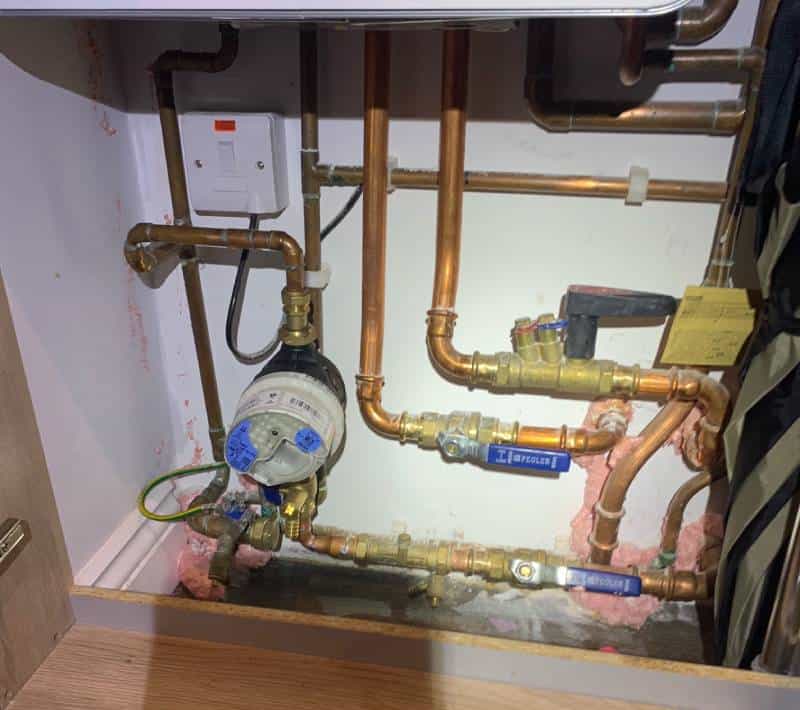
A clear view of the existing plumbing system helps us spot potential issues such as undersized pipes, dead legs, poor drainage efficiency and lack of shut-off valves. It also tells us which sections must be replaced completely and where we can safely tie in new plumbing installations.
Understanding the layout is especially important in listed period properties and historic homes, where access is limited and you must minimise disruption to original features.

Inspecting and assessing old house plumbing
Modern plumbing for old houses should always start with a thorough inspection. A qualified plumber will usually:
-
Carry out leak detection tests and inspect for potential leaks and future leaks
-
Check visible pipework for corrosion, buildup, failed pipe joints and outdated materials
-
Test water pressure and flow rates at key fixtures to spot low-pressure problems
-
Assess drainage systems for clogs, slow drainage and signs of sewer line problems
-
Inspect water heaters, cold water tank and valves for age, efficiency and safety
-
Look for signs of water stains, water damage and previous plumbing repairs
In some cases, we recommend CCTV surveys of drains and sewer pipes, or a full condition report for buyers considering an older property. This expert advice helps you decide whether to replace an entire house plumbing system or plan staged upgrades.
Health risks are a key consideration. Outdated pipes, particularly lead and badly corroded steel, can create potential contamination issues in drinking water. Replacing these with modern equivalents is usually non-negotiable if you want to meet modern standards.
Choosing modern materials and fixtures for period homes
Once we know what we are dealing with, we can design modern plumbing for old houses that respects the character of the building while using modern technology. Popular choices include:
-
Copper piping and modern plastic pipes
Copper piping is reliable, long-lasting and well understood. In hidden areas, PEX and PVC pipes can be suitable modern materials that resist corrosion and reduce water waste. A mix of copper and plastic is often the most cost-effective route for pipe replacement. -
Modern plumbing fixtures with period style
You can pair new fixtures with traditional looks. For example, modern plumbing fixtures styled to look like classic brassware, low-flow toilets that resemble traditional high-level cisterns, and exposed pipes in polished copper can all protect aesthetic appeal while improving water consumption and drainage efficiency. -
Upgraded faucets and valves
Older faucets can be replaced with mixer taps, quarter-turn valves and reliable shut-off valves that improve water flow control and reduce water waste. Good quality valves also make future plumbing repairs quicker and cheaper. -
Safe, efficient waste systems
Replacing fragile clay pipes and iron drains with PVC pipes in hidden runs will improve long-term performance. In visible areas, we can use cast-iron lookalike stacks or paint modern materials to blend with the existing building.
The key is to use modern equivalents where they will not jar with period details, and to keep any visible new installations sympathetic to the age of the property.
Modern water heaters and heating systems in older houses
Reliable hot water is a common problem in older houses. Old one-pipe systems, gravity-fed cylinders and ageing water heaters often struggle with modern demand.
Advances in water heater technology give several options:
-
Modern water heaters that work with the existing cold water tank and heating system
-
Tankless water heaters for utility rooms or lofts, which deliver reliable hot water on demand
-
Cylinder upgrades with better insulation and higher recovery rates
-
Systems that support underfloor heating and efficient radiators without overloading older pipes
A professional plumber will balance gas supply, water pressure, energy efficiency and the limits of the building fabric. The right choice can lower utility bills, improve comfort and appeal to potential buyers without the need for drastic structural changes.
Planning, permits and budgeting for plumbing renovations
Any serious renovation project in period homes and listed buildings needs careful planning. To keep modern plumbing for old houses compliant and legal, you should:
-
Check whether the property is listed or in a conservation area
-
Speak to the local authority (Derbyshire Dales or Amber Valley) about any permits or consents needed for new installations and external pipework
-
Agree a realistic budget that allows a contingency for unexpected issues behind walls and under floors
-
Choose a reliable plumber with experience in older systems and period properties, rather than the cheapest quote
Professional plumbers will explain the likely cost of full replacement versus targeted plumbing repairs, and help you decide where you can make minor repairs and where you need to go further. A licensed plumber or qualified plumber should also explain how the work will affect your water meter, water bill and energy bills, and how to phase the work to spread costs.
Maintaining modern plumbing in older properties
Once the work is complete, regular maintenance keeps your modern plumbing system in good shape:
-
Arrange regular inspections to catch common issues early
-
Schedule routine maintenance for water heaters and heating systems
-
Clean strainers and address minor clogs before they become major problems
-
Protect exposed pipes with proper insulation to reduce energy consumption and prevent freezing
-
Keep gutters, drains and external gullies clear to support drainage systems
Simple habits like watching for sudden changes in water pressure, new water stains or sounds of running water when everything is off will help you spot potential issues before they turn into costly repairs.
FAQs about modern plumbing for old houses
What are the most common plumbing problems in older homes?
Common plumbing problems include leaks from corroded pipes, clogged drains, low water pressure, outdated fixtures and ageing clay pipes or iron drains. Outdated plumbing systems may also rely on hazardous materials, which can lead to contamination and health risks if they are not replaced.
How do galvanised steel pipes affect a home’s plumbing system?
Galvanised steel pipes were popular in older houses because of their zinc coating. Over time, that coating breaks down, leading to rust, mineral buildup and reduced water flow. This can cause discoloured water and pinhole leaks. In many cases, full replacement with copper piping or modern plastic is the safest long-term option.
Which modern fixtures work best with period properties?
In period homes, we often recommend modern plumbing fixtures that mimic traditional styles. Traditional-looking faucets, column radiators and low-flow toilets with classic styling maintain aesthetic appeal while improving water efficiency, drainage efficiency and overall performance of the home’s plumbing system.
Can modernising an old plumbing system really save money?
Yes. Replacing outdated pipes, fitting efficient water heaters and improving insulation can lower utility bills by reducing water waste and energy consumption. You also cut the risk of major problems like burst pipes and sewer line problems, which means fewer emergency plumbing services and less chance of expensive water damage in the future.
How can homeowners prevent future plumbing problems in older properties?
Work with a reliable plumber to create a maintenance plan, keep up with regular inspections, deal quickly with minor repairs and avoid overloading older systems with excessive water pressure. Good leak detection, sensible upgrades and proper use of fixtures will reduce future leaks, clogs and other common problems.
Ready to upgrade your old house plumbing?
If you are planning modern plumbing for old houses, our team at Rob Staley Plumbing can help you design a solution that improves safety, comfort and efficiency without spoiling the character of your home. For expert advice, new installations or sensible upgrades to older systems, get in touch with Rob Staley Plumbing today via our contact page and let us help you protect your period property for years to come.
Modern plumbing for old houses that cuts leaks, boosts pressure and bills, and protects the character of your period home.
You may also like:
- Faulty Basin Tap Fixed with a New Mono Mixer Ceramic Cartridge
- The Benefits of Choosing a Trusted Trader in Derbyshire
- From Clogs to Comfort: Toilet Repair in Ashbourne
- The Costly Consequences of Burst Pipes

Rob Staley is an experienced Plumber, from the Ashbourne Area. He has been in the industry for over 20 years and is fully City & guilds NVQ3 qualified. Rob Staley Plumbing is a Member of the Derbyshire Trusted Trader scheme, and a Member of Watersafe.
Rob offers emergency plumbing as well as domestic leak repairs, water main bursts, bathroom installations and repairs, kitchen plumbing and a range of other services.